Part number

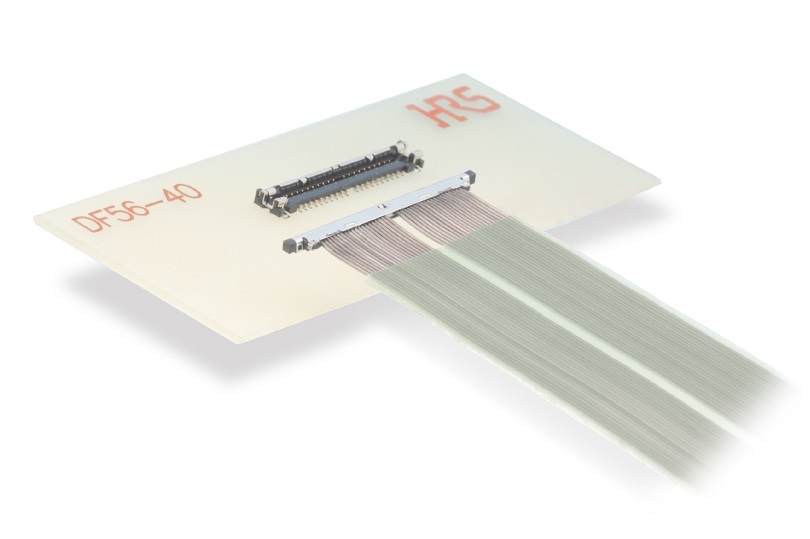
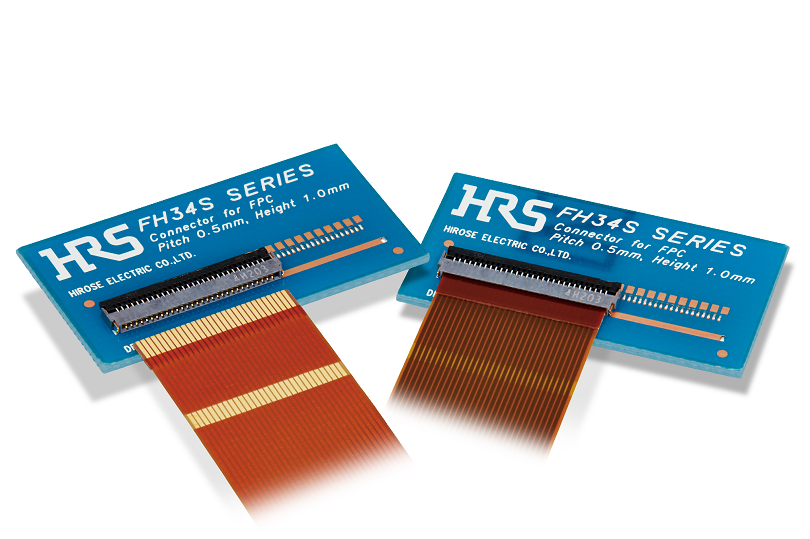
Connectors are electromechanical components designed to join and separate electrical circuits by providing a reliable interface between conductors, cables, or printed circuit boards. They enable modular system design by allowing interconnection without permanent bonding, supporting assembly, maintenance, and replacement.
In electronics, connectors typically consist of matched mating parts that establish electrical continuity and may also provide mechanical alignment and retention. Depending on the design, they can carry power, signals, or a combination of both, and may incorporate features intended to improve contact stability and reduce the risk of incorrect mating.


ICM-42688-P vs BMI088 vs BMI270: The Ultimate 6-Axis IMU Guide (≤70 chars)

W25Q64JVSSIG PCN & EOL Guide: Winbond 64Mb SPI Flash

TMS320F28335PGFA Solar Inverter MPPT: C2000 DSP Engineering Deep Dive

Strategic Encirclement by the Big 3: How Memory Makers are Restructuring Supply Chain Power

NXP 2026 Price Hike: Impact on Automotive & Industrial MCU Sectors