Part number

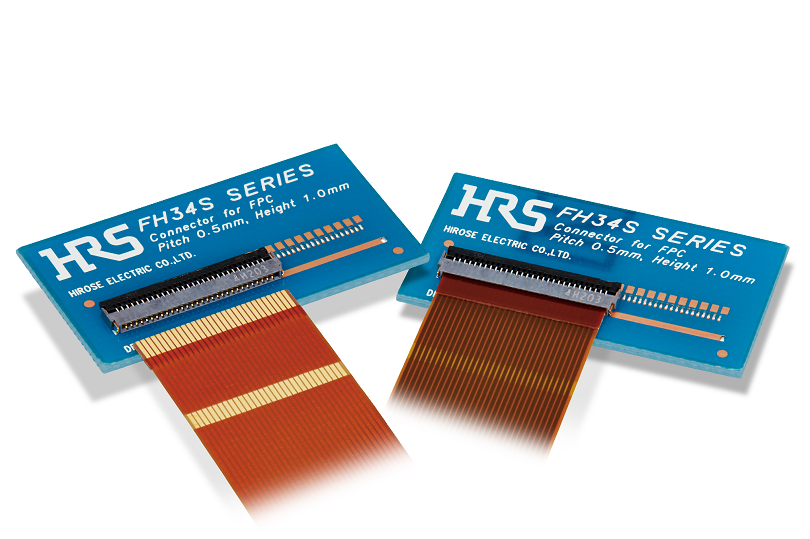
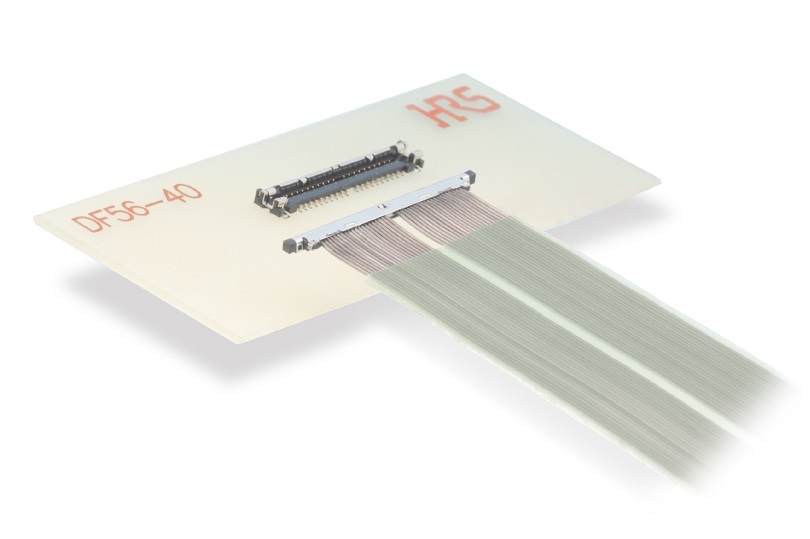
Connectors are electromechanical components designed to join and separate electrical circuits by providing a reliable interface between conductors, cables, or printed circuit boards. They enable modular system design by allowing interconnection without permanent bonding, supporting assembly, maintenance, and replacement.
In electronics, connectors typically consist of matched mating parts that establish electrical continuity and may also provide mechanical alignment and retention. Depending on the design, they can carry power, signals, or a combination of both, and may incorporate features intended to improve contact stability and reduce the risk of incorrect mating.


Semiconductor Basics: Understanding the Core Architectural Differences Between HBM, DRAM, and NAND

Memory Procurement Strategies: How OEMs Survive the 2026 Shortage

XC7K325T-2FFG900I Availability 2026 | Kintex-7 FPGA Supply

The Value of Known Good Stacks (KGS): Why Top-Tier GPUs Tolerate Zero Defects in HBM

TSMC 5nm vs. Samsung 4nm: The Foundry Cold War Behind HBM4 Logic Chips