RFQ List


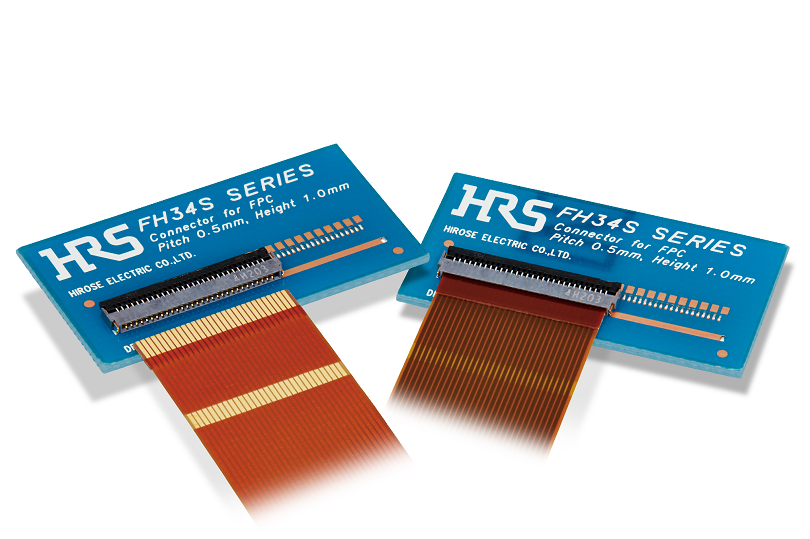
Connectors are electromechanical components designed to join and separate electrical circuits by providing a reliable interface between conductors, cables, or printed circuit boards. They enable modular system design by allowing interconnection without permanent bonding, supporting assembly, maintenance, and replacement.
In electronics, connectors typically consist of matched mating parts that establish electrical continuity and may also provide mechanical alignment and retention. Depending on the design, they can carry power, signals, or a combination of both, and may incorporate features intended to improve contact stability and reduce the risk of incorrect mating.


MT65B18G16120A00QH-92:A Industry Hot

PCB Market Outlook 2026-2027

K4FBE3D4HB-KHCL02V LPDDR4 Sourcing Guide

U-blox NEO-M9N-00B Deep Dive Design & Sourcing Guide

2026 Memory Spot Market Chaos Design & Sourcing Guide