RFQ List


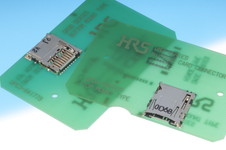
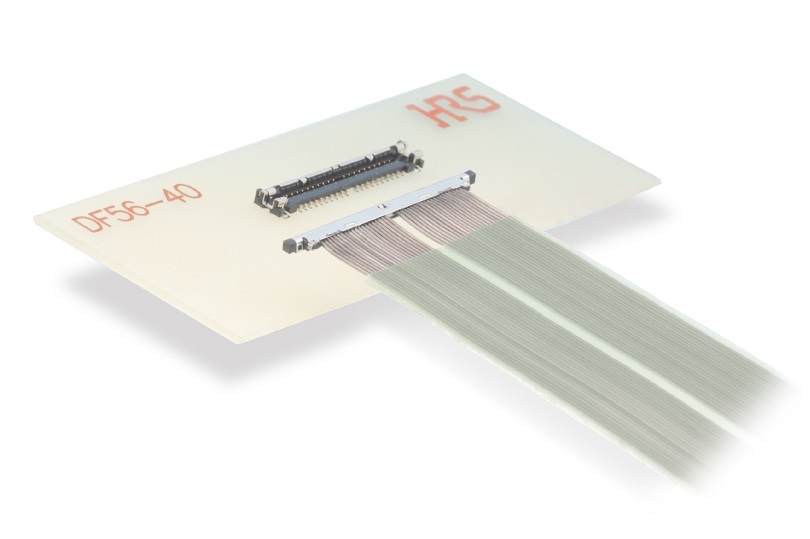
Connectors are electromechanical components designed to join and separate electrical circuits by providing a reliable interface between conductors, cables, or printed circuit boards. They enable modular system design by allowing interconnection without permanent bonding, supporting assembly, maintenance, and replacement.
In electronics, connectors typically consist of matched mating parts that establish electrical continuity and may also provide mechanical alignment and retention. Depending on the design, they can carry power, signals, or a combination of both, and may incorporate features intended to improve contact stability and reduce the risk of incorrect mating.


The "Strategic Gasoline" of AI: Why the HBM Supply Gap Will Persist Until 2028

NEO-M8N vs NEO-M9N: GNSS Migration Guide for Drone OEMs 2026

NCEMASLD-32G to FSEIASLD-32G: FORESEE eMMC EOL Migration Guide 2026

U-blox NEO-M9N-00B Deep Dive: Urban Canyon Reliability, EMI Survival, and High-Dynamic Flight Tuning.

When Drones Need Higher Accuracy, When Is It Time to Move from Standard GNSS to High-Precision RTK?