Part number
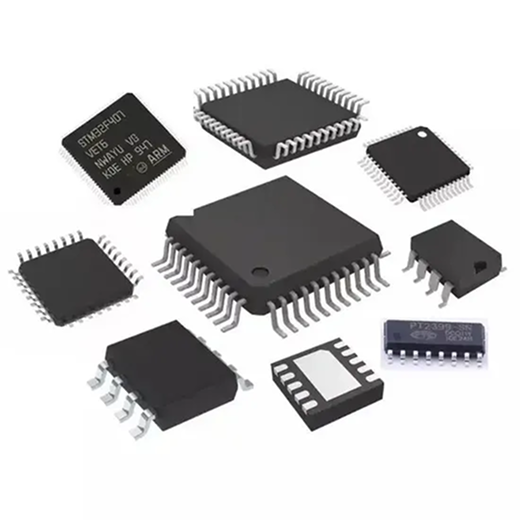
Memory ICs are integrated circuits designed to store digital information for later retrieval and processing. They provide data retention through electronic storage structures and are used as fundamental building blocks in digital systems where information must be written, read, and preserved.
This category broadly includes memory devices that support different storage behaviors, such as temporary data storage and non-volatile data retention. Memory ICs are commonly distinguished by their underlying storage technology and access method, and they are typically managed through standardized digital interfaces for integration into electronic designs.


From Authorized Channels to Incoming Inspection: A Practical Guide to ADI Anti-Counterfeit and Quality Control.

C1812C103KDRACAUTO EOL: 1kV MLCC Alternatives Cross-Reference

TSMC 5nm vs. Samsung 4nm: The Foundry Cold War Behind HBM4 Logic Chips
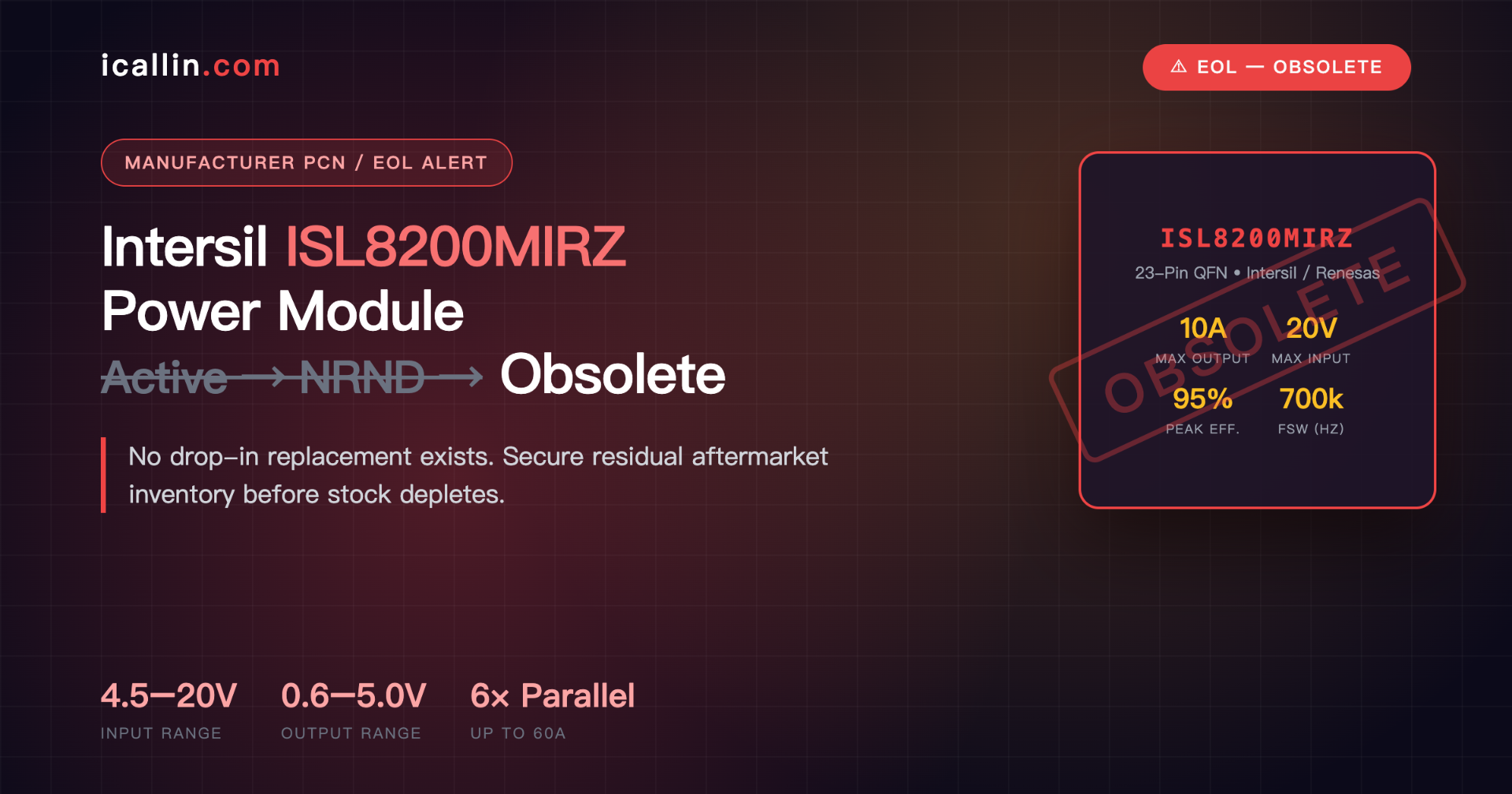
ISL8200MIRZ Discontinued: EOL Alert & Last-Time-Buy Strategy Guide

NXP Price Increase 2026: Analyzing the June 1st Inflation Adjustment