Part number

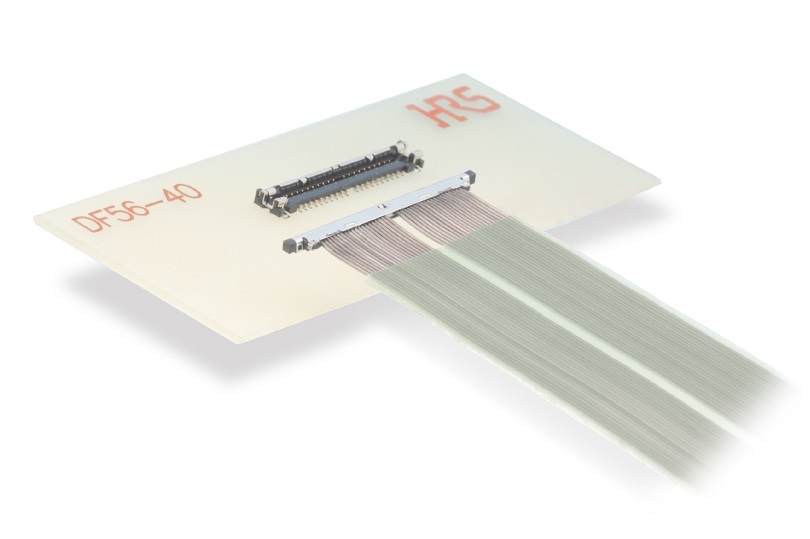
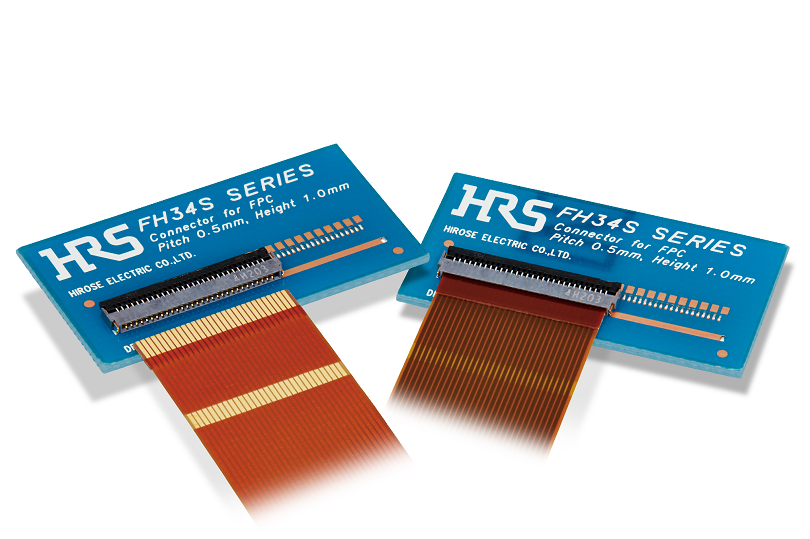
Connectors are electromechanical components designed to join and separate electrical circuits by providing a reliable interface between conductors, cables, or printed circuit boards. They enable modular system design by allowing interconnection without permanent bonding, supporting assembly, maintenance, and replacement.
In electronics, connectors typically consist of matched mating parts that establish electrical continuity and may also provide mechanical alignment and retention. Depending on the design, they can carry power, signals, or a combination of both, and may incorporate features intended to improve contact stability and reduce the risk of incorrect mating.

Beyond HBM: How Surging AI Inference Demand is Reshaping the NAND Supply Landscape

LM339PWR Suffix Decoder: G4, G3, E4 Differences Explained

Why TI Raised Prices: Margin Defense Strategy Behind the Analog IC Price Hike

DDR4 End of Life: Samsung, Micron & Renesas EOL Impact on Industrial Memory (≤70 chars)

ADI’s Q1 FY2026 Blowout: Real Recovery, Real Pricing Power, and a Spot Market That’s Still Uneven.