Part number

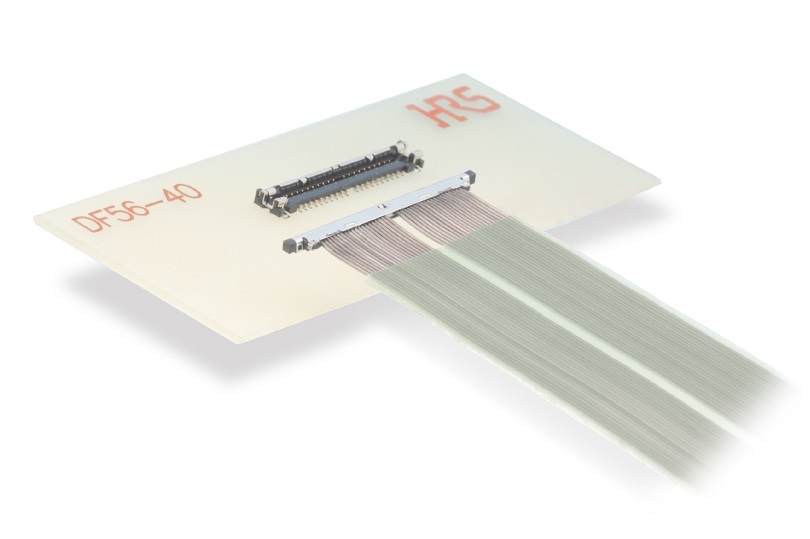
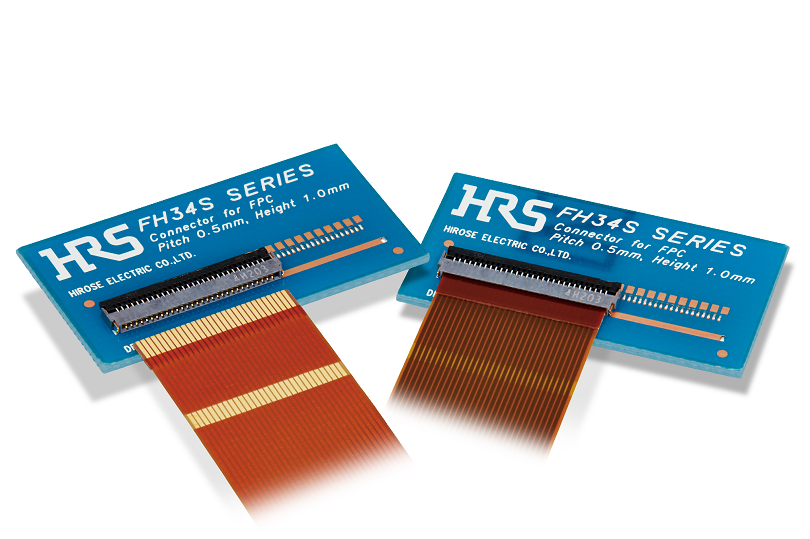
Connectors are electromechanical components designed to join and separate electrical circuits by providing a reliable interface between conductors, cables, or printed circuit boards. They enable modular system design by allowing interconnection without permanent bonding, supporting assembly, maintenance, and replacement.
In electronics, connectors typically consist of matched mating parts that establish electrical continuity and may also provide mechanical alignment and retention. Depending on the design, they can carry power, signals, or a combination of both, and may incorporate features intended to improve contact stability and reduce the risk of incorrect mating.


Previewing Nvidia's Rubin Architecture: How 12-Layer HBM4 Will Transform Next-Gen AI Accelerators

STM32F405RGT6 Alternatives: 5 Pin-Compatible Replacements 2026

The "Strategic Gasoline" of AI: Why the HBM Supply Gap Will Persist Until 2028

Semiconductor Basics: Understanding the Core Architectural Differences Between HBM, DRAM, and NAND
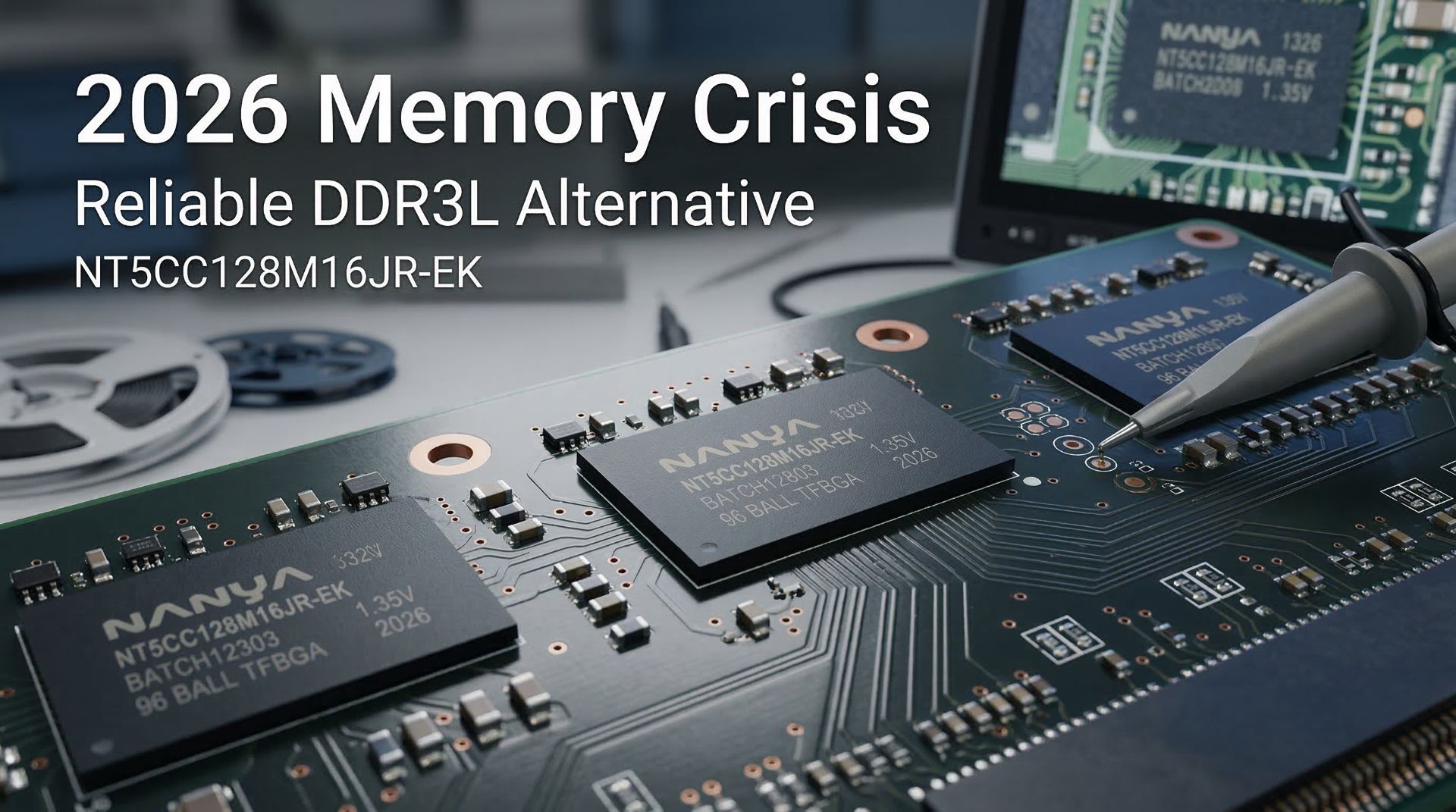
Navigating the 2026 Memory Crisis: Why Nanya NT5CC128M16JR-EK is the Reliable Alternative for Legacy Systems.