

TPS561201DDCR In Stock: Verified TI Buck Converters Ready
Verified TPS561201DDCR Stock: Securing Authentic TI Buck Converters for Immediate Production
Category: Hot Stock & Featured Parts | Author: Charles·Lee | Published: March 2026 | Last Updated: March 24, 2026
Key Takeaways:
- Supply chain constraints on foundational power management ICs continue to disrupt production schedules. Securing immediate, factory-verified inventory of ubiquitous parts like the Texas Instruments TPS561201DDCR is critical for maintaining consumer electronics manufacturing timelines in 2026.
- The TPS561201DDCR is a primary target for illicit counterfeiters due to its massive application volume in Smart TVs, set-top boxes, and Wi-Fi routers. Sourcing from unverified gray-market brokers frequently leads to catastrophic mid-production line failures or expensive consumer product recalls.
- To mitigate this risk, icallin enforces an uncompromising multi-stage Quality Assurance (QA) protocol for all inventory, utilizing high-resolution X-ray inspection, decapsulation (decap) testing of the silicon die, and chemical solvent screening to guarantee 100% TI authenticity.
- The TPS561201DDCR stands apart from generic alternatives due to its advanced D-CAP2™ control architecture, which provides ultra-fast transient response without the need for external compensation components, significantly shrinking the required PCB footprint.
- In stark contrast to standard factory lead times (which frequently stretch beyond 26 weeks for high-demand analog power chips), icallin holds verified, factory-sealed stock locally, ready for immediate domestic or international dispatch to keep your SMT lines moving tomorrow.
Introduction: The "Unseen" Bottleneck in Consumer Electronics Manufacturing
In the high-stakes physical world of electronics manufacturing, the most advanced, highly-engineered processor on a printed circuit board (PCB) is entirely useless if the engineering team cannot procure the basic, $0.10 voltage regulators required to power it.
As the global electronics industry rebounds into a robust production cycle through 2026, original equipment manufacturers (OEMs) and contract electronics manufacturers (CEMs) are encountering a uniquely frustrating supply chain phenomenon. Standard microcontrollers and memory modules have largely stabilized in availability; however, foundational analog power management ICs (PMICs)—specifically basic 1-Ampere synchronous step-down (buck) converters—have become unexpectedly scarce allocated items.
At the epicenter of this allocation squeeze is the Texas Instruments TPS561201DDCR.
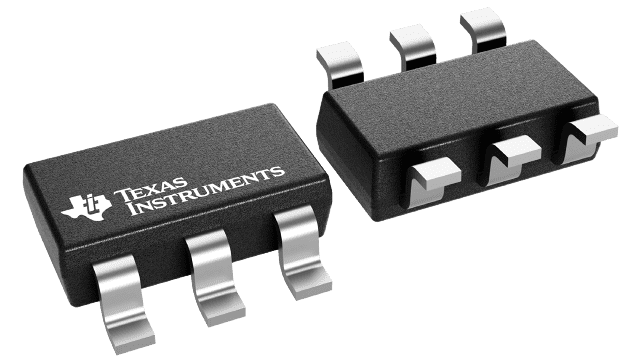
Utilized in the millions across product verticals ranging from high-definition set-top boxes and smart home hubs to industrial modems and point-of-load (POL) power architectures, the TPS561201DDCR is practically a default macro in many electrical engineers' design libraries. Its ease of use, SOT-23-6 footprint, and reliable performance make it a staple of modern hardware design.
Consequently, when standard franchised distribution channels exhaust their global inventory and update their lead times from "In Stock" to "26 Weeks," production lines globally grind to a halt. Procurement teams are subsequently forced into the precarious, high-risk "gray market" of independent brokers to desperately source enough reels to fulfill immediate manufacturing promises.
This guide provides a comprehensive overview of the TPS561201DDCR’s unique engineering merits, exposes the severe financial dangers of sourcing counterfeit replacement components on the open market, and details exactly how icallin provides 100% verified, authentic Texas Instruments stock ready for immediate high-volume manufacturing.
Parametric Refresher: Why is the TPS561201DDCR So Popular?
Before discussing the state of global inventory, it is critical to understand why procurement teams are fighting over reels of this specific silicon. Hardware engineers do not specify the TPS561201DDCR arbitrarily; its architecture brilliantly resolves several fundamental power design challenges.
The D-CAP2™ Control Architecture
Traditional voltage regulators heavily rely on complex, external compensation networks (arrays of precise resistors and capacitors on the PCB) to maintain stability when the downstream load suddenly demands a massive spike in current.
TI engineered the TPS561201 with its proprietary D-CAP2™ mode control. This control scheme completely eliminates the need for an external compensation network. By integrating the compensation loop internally, the IC drastically reduces the total active Bill of Materials (BOM) count. A hardware engineer only needs to provide input capacitors, output capacitors, an inductor, and two voltage-setting resistors to construct a complete, highly-stable power supply. This simplicity is vital for consumer electronics where PCB real-estate is extremely expensive.
Advanced Light-Load Efficiency (Pulse-Skip Mode)
Unlike its sibling component (the TPS561208, which operates continuously), the TPS561201 specifically incorporates Advanced Eco-mode™ (pulse-skipping).
When the device powered by the TPS561201 (e.g., a smart TV in standby) enters a low-power sleep state, the regulator intelligently stops continuous switching. It begins "skipping" pulses, allowing the output capacitor to slowly drain before briefly waking up to recharge it. This pulse-skip behavior dramatically reduces the regulator's internal switching losses, pushing power conversion efficiency significantly higher during light-load conditions—often ensuring compliance with stringent Energy Star or European ErP standby power regulations.
Key Specifications Quick-Reference
| Parametric Identifier | Specification | Engineering/Deployment Advantage |
|---|---|---|
| Input Voltage (Vin) Range | 4.5V to 17V | Robust window perfectly tolerates standardized 5V, 9V, and 12V distributed DC-DC power buses without additional step-down tracking. |
| Output Voltage (Vout) | 0.76V to 7.0V | Fully adjustable via a simple external feedback resistor divider network, allowing universal application. |
| Continuous Load Current | 1.0 Ampere | Sufficient ampacity to simultaneously drive dual-core network processors and localized memory clusters in edge routing devices. |
| Switching Frequency | 580 kHz (Fixed) | High frequency allows engineers to specify significantly smaller, cheaper surface-mount inductors, saving PCB footprint. |
| Package / Dimensions | SOT-23-6 (SOT-23-THN) | Ultra-compact (2.90 mm × 2.80 mm) profile, explicitly optimized for high-yield automated SMT pick-and-place robotic manufacturing. |
The Gray Market Nightmare: The High Cost of Counterfeit Silicon
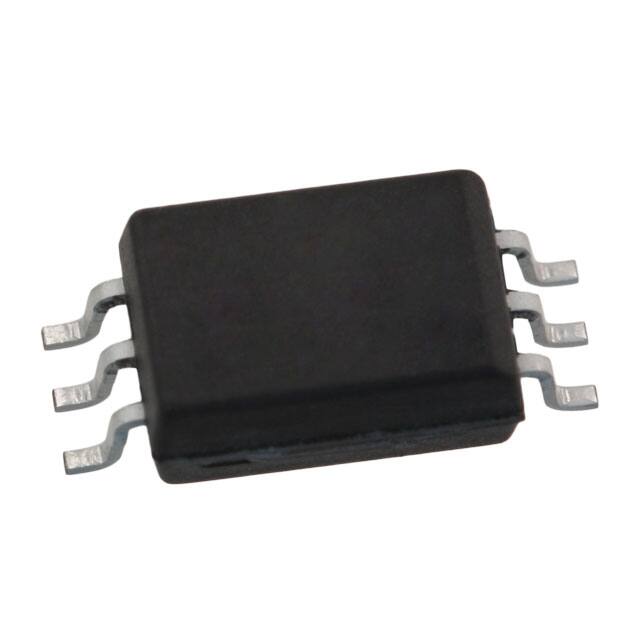
When a critically important component like the TPS561201DDCR goes into severe allocation, the independent open market is immediately flooded with opportunistic brokers claiming to have "thousands in stock." Unfortunately, because this component is visually simple (a tiny 6-pin black plastic epoxy square with a faint laser-etched top marking), it represents the ultimate target for illicit semiconductor counterfeiters.
For an OEM, purchasing bad stock is far more costly than simply losing the upfront cash paid for the components. The financial devastation compounds geometrically as the fake chips move through the factory.
Anatomy of a Counterfeit Buck Converter
There are three primary vectors through which counterfeit or unverified stock destroys manufacturing yields:
-
The Empty Package (Black-Topping and Re-marking): Counterfeiters frequently purchase electronic waste (e-waste), desolder completely unrelated, broken 6-pin SOT-23 components (such as cheap logic gates or degraded operational amplifiers), sand off the original manufacturer markings, and resurface the plastic with an epoxy coating ("black-topping"). They then laser-etch the "TPS561201" designator and TI logo onto the fake chip. When installed on your PCB, the board simply will not power on, causing a 100% failure rate at end-of-line testing.
-
The Defective Reject (Factory Escapes): During legitimate wafer fabrication, a percentage of silicon dies inevitably fail quality assurance due to microscopic imperfections or bad electrical tuning. These rejected wafers are supposed to be physically destroyed. Occasionally, illicit actors bribe recycling facilities, rescue the defective silicon, package it, and sell it on the open market. These chips might actually function perfectly at room temperature during a 5-second factory test but will violently explode or short-circuit your entire board when subjected to 85°C operating temperatures in the field.
-
The Counterfeit Die (Clone Chips): Unlicensed foundries frequently reverse-engineer highly successful architectures like TI's 1A converters. They produce their own knock-off silicon, package it, and market it as genuine TI stock. While these clones may output 5V successfully, they completely lack TI's rigorous over-current, thermal shutdown, and D-CAP2 transient response protections. When your consumer's router draws a sudden 1.2A spike, the clone chip lacks the thermal runaway protection to protect itself, resulting in melted plastic enclosures and catastrophic fire risks.
The True Financial Impact of Unverified Stock
If an OEM purchases a reel of 3,000 counterfeit chips for $500, the true loss is not $500. If the chips are installed before the error is caught, the OEM loses the PCB substrate, the expensive application processor, the labor time of the SMT line, the X-ray inspection time, and the grueling manual labor of reworking/desoldering 3,000 dense circuit boards. If the fake chips slip past factory testing and fail in the consumer's living room, the resulting warranty replacements, shipping logistics, and irreversible brand damage can easily scale the true cost of a $0.10 fake component into hundreds of thousands of dollars in corporate liability.
This is precisely why sourcing from an unverified broker during a shortage is akin to playing Russian roulette with your brand's reputation.
icallin's Quality Assurance Protocol: Zero-Trust Authenticity
At icallin, our supply chain philosophy is deeply rooted in a "Zero-Trust" framework. We understand that in modern electronics procurement, the risk of counterfeiting is systemic. The only defense is rigorous, uncompromising, scientific authentication.
When you secure inventory of the TPS561201DDCR from icallin, you are bypassing the systemic risks of the open market because every reel passes through our multi-staged Quality Control (QC) laboratory before it ever touches an external shipping box. We do not guess; we verify.
Stage 1: Visual and Chemical Topography Verification
Before a reel is ever loaded into a machine, it undergoes intensive microscopic scrutiny using high-resolution optical arrays. Our QA engineers utilize proprietary databases featuring high-definition macro-photographs of legitimate Texas Instruments factory markings, examining the depth, font, placement, and laser-burn characteristics of the component's top mark.
Subsequently, random samples are subjected to aggressive chemical reagent testing (acetone and specialized solvent swabs). Legitimate factory epoxy and laser etchings will not degrade under this chemical stress. If the component has been illicitly "black-topped" and re-inked by a counterfeiter, the fake coating dissolves immediately, exposing the fraud.
Stage 2: 3D X-Ray Inspection (Radiography)
External visual inspection is insufficient against highly sophisticated counterfeiters. Therefore, samples from every TPS561201 batch are subjected to non-destructive high-penetration X-ray radiography.
Our engineers compare the internal architecture of the suspect chip against a known-good, factory-direct TI "golden sample." We verify the exact dimensions of the internal silicon die, the gauge and trajectory of the gold wire bonds connecting the die to the external leads, and the copper lead frame architecture. Even if a clone chip operates identically on the outside, it is physically impossible to cheaply clone the internal crystalline structure and bonding geometry of TI's advanced foundries. If the internal wire bonds deviate by even fractions of a millimeter from the TI blueprint, the reel is rejected.
Stage 3: Decapsulation (Decap) Die Analysis
For supreme certainty, we deploy destructive chemical decapsulation on randomly selected units from the lot. By utilizing hot fuming sulfuric and nitric acids, the black plastic epoxy packaging is carefully etched away, exclusively exposing the raw, bare silicon die beneath.
Using high-powered metallurgical microscopes, our laboratory technicians visually locate and verify the microscopic manufacturer logos, copyrighted mask designators, and proprietary silicon topography permanently physically etched into the die at the nanometer level. This is the ultimate, undisputable proof of genuine Texas Instruments silicon.
Stage 4: Moisture Sensitivity Level (MSL) and Tape Verification
Finally, beyond silicon authenticity, we guarantee physical manufacturing readiness. The TPS561201DDCR is remarkably sensitive to atmospheric moisture. If chips are exposed to high humidity and subsequently fed into a 260°C reflow soldering oven, the trapped moisture violently vaporizes, causing micro-cracking inside the chip (the "popcorn effect").
icallin rigorously validates that all stock is hermetically sealed in exact accordance with JEDEC J-STD-033 standards (Vacuum-sealed Aluminum Moisture Barrier Bags equipped with functioning desiccant packs and active Humidity Indicator Cards). The carrier tape indexing is also mechanically verified to ensure it will feed flawlessly into high-speed Yamaha and Fuji pick-and-place robotics without jumping or jamming.
Alternative Preparedness & Footprint Compatibility
While securing immediate, verified stock of the primary TI component is always the optimal operational scenario, robust hardware teams always plan for worst-case supply contingencies. It is a fundamental best practice in PCBA design to structurally qualify at least two secondary drop-in replacements for highly allocated components.
If your procurement team is evaluating footprint-compatible (SOT-23-6) alternative silicon to dual-source against the TPS561201DDCR, TI specifically engineers parallel models—such as the TPS561208DDCR (which utilizes Continuous Current Mode instead of pulse-skip for tighter heavy-load ripple control) or higher-ampacity variants like the 2A TPS562201.
Additionally, numerous reputable analog foundries (such as Silergy, Richtek, and ROHM) produce competitive 1A switching architectures mapped to the exact same generic SOT-23 layout. For an in-depth breakdown of pin-to-pin compatible replacements, review our comprehensive technical engineering brief: The TPS561201DDCR Alternatives & Parameters Guide.
Immediate Availability: Ship Tomorrow, Not In 6 Months
The era of Just-In-Time (JIT) manufacturing optimization is functionally incompatible with modern analog semiconductor volatility. When you require a million resistors, long lead times are manageable. When you require thousands of primary voltage regulators blocking your entire motherboard assembly, waiting is not a viable business strategy.

Chart summary: This visual analysis illustrates the escalating friction within the analog PMIC supply chain. While standard manufacturer lead times (Red) for basic buck converters like the TPS561201 have consistently pushed past the 26-week mark during 2025/2026 volatility periods, icallin's localized, verified physical inventory reserves (Blue) provide a critical decoupling buffer. By bypassing factory allocation queues, OEMs can securely maintain uninterrupted SMT production schedules despite macro-economic disruptions.
icallin's independent distribution infrastructure is explicitly engineered to circumvent these factory bottlenecks. Our strategic global sourcing footprint allows us to preemptively aggregate massive quantities of foundational, high-demand silicon like the Texas Instruments TPS561201DDCR into centralized, climate-controlled warehousing facilities.
When you engage our procurement team, you are not negotiating a spot in a 30-week virtual allocation queue at a foreign foundry. You are purchasing physical, tangibly verified reels currently sitting safely inside our anti-static inventory cages, meticulously authenticated by professional QA engineers.
Whether you require a few cut-tape runs to finish testing an urgent engineering prototype, or tens of thousands of units on full 3,000-piece factory reels to satisfy a sudden surge in consumer holiday demand, icallin guarantees absolute authenticity and immediate logistical dispatch.
Do not allow your manufacturing line to suffer crippling downtime due to a $0.10 voltage regulator shortage. Secure your supply of verified Texas Instruments silicon today.
📧 Submit an RFQ to lock in TPS561201DDCR inventory and receive same-day shipping confirmation →
Frequently Asked Questions (FAQ)
Q1: How can an OEM physically verify if their TPS561201DDCR purchased from a broker is counterfeit?
A1: Without access to expensive metallurgical X-ray or chemical decapsulation machinery, physical OEM verification is incredibly difficult. A rudimentary check is an aggressive wipe with medical-grade acetone on the top plastic. If the "TI" logo rubs off or smears, it is a cheap ink counterfeit. A genuine laser-etch physically burns into the epoxy and cannot be wiped away by simple solvents. However, advanced clone chips will survive the acetone test; therefore, relying on a fully equipped testing laboratory like icallin's is the only foolproof methodology.
Q2: What is the standard packaging format for the TPS561201DDCR?
A2: The "R" suffix at the end of the DDCR part number explicitly designates that the factory packaging format is a 7-inch Tape and Reel containing exactly 3,000 continuous units. If a broker offers a full original reel containing fewer units, or unsealed bulk tubes, it is a severe red flag indicating tampered inventory.
Q3: Can the TPS561201 tolerate a 12V input from a standard wall adapter?
A3: Yes. The TPS561201 IC is explicitly rated for a maximum operating input voltage of 17V (absolute maximum rating of 19V). Dropping a standard consumer 12V wall-wart unregulated supply down to 5V or 3.3V for internal electronics is one of the most common applications for this component across the consumer electronics sector.
Q4: Does the TPS561201DDCR overheat when outputting a full 1 Ampere?
A4: Due to its switching architecture, the TPS561201 operates at a significantly higher efficiency than a linear regulator. Even at a full 1A output, power dissipation (heat generation) inside the tiny SOT-23-6 package remains highly manageable, effectively utilizing the surrounding PCB copper traces connecting to the GND and VIN pins as a radiant heatsink.
Q5: What is the fundamental difference between the TPS561201 and the replacement TPS561208?
A5: While both chips are 1A buck converters sharing the identical SOT-23-6 footprint and D-CAP2 control loop, their light-load behavior differs dramatically. The TPS561201 operates in Advanced Eco-mode (Pulse-Skip), which maximizes energy efficiency when the connected system is sleeping (drawing very little current). The TPS561208 operates in Continuous Current Mode (CCM), which forcefully maintains the 580 kHz switching frequency regardless of load, slightly sacrificing standby efficiency to guarantee a drastically lower output voltage ripple, which is superior for powering sensitive RF or audio circuits.
Q6: Does icallin offer traceability documentation for this TPS561201DDCR stock?
A6: Absolutely. As an industry-leading hybrid distributor, we adhere to rigorous transparency protocols. Upon request, lots shipped by icallin can include comprehensive traceability trails and laboratory inspection certificates affirming the uncompromised authenticity of the Texas Instruments die inside the package.
Related Internal Resources
To review exact technical specifications, access PDF datasheets, or secure immediate RFQ pricing for your BOM out of our verified ready-to-ship inventory, visit our primary TPS561201DDCR Product Page.
If your product architecture has outgrown the 1A capacity limit, explore TI's broader portfolio of pin-compatible 2A and 3A D-CAP2 synchronous buck converters by scanning our unified Texas Instruments Manufacturer Directory.
When standard TI parts are entirely inaccessible, intelligent dual-sourcing is mandatory. Review our comprehensive engineering guide detailing pin-to-pin compatible drop-in replacements in our specialized article: TPS561201DDCR Alternatives: The Paramount Synchronous Buck Converter Alignment Guide.
To preemptively analyze which analog power management ICs and common passive components are experiencing the most intense lead time escalation on the global market this week, consult our real-time Hot Products Supply Chain Analytics Dashboard.
If you have already suffered catastrophic downtime from counterfeit components in the past and wish to secure your SMT line permanently, review our rigorous laboratory authentication methodologies on our Quality Assurance & Anti-Counterfeiting Integrity Page.
*Charles·Lee is the Global Inventory Specialist and Supply Chain Director at icallin.com. With over a decade of experience navigating semiconductor allocation cycles and combating gray-market counterfeiting, Charles focuses on providing OEMs with actionable strategies for securing authentic, verified electronic components during severe market shortages.


Top Recommended part